Blog ·
Coordinating Multiple Vendors: The Communication Master Plan
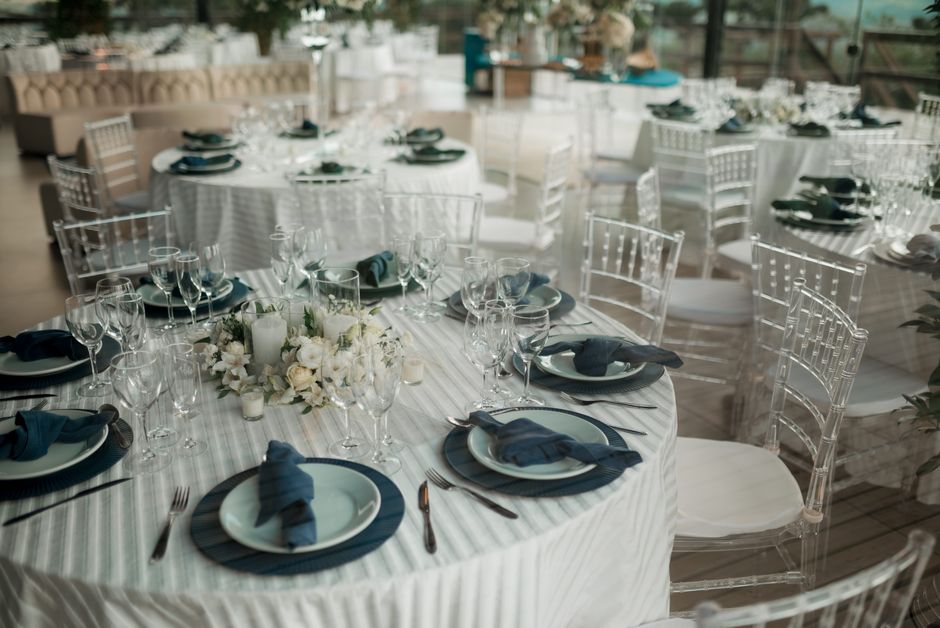
Your wedding involves dozens of moving parts. The photographer doesn't need to know the catering timeline, but the coordinator does. The florist doesn't manage the DJ's setup, but everything depends on someone knowing when centerpieces must be in place. Here's how to manage multiple vendors without becoming the person frantically calling everyone thirty minutes before the event.
Establish a Central Information Hub
Create one document—digital or printed—that contains every vendor's contact information, arrival time, key contact person, and specific deliverables. This becomes your reference guide. Many couples use a shared spreadsheet or simple document that lists:
- Vendor name and category
- Contact person and phone number
- Arrival time
- Setup location
- Key deliverables and deadlines
- Any specific requests or concerns
Clarify Vendor Responsibilities—Explicitly
Don't assume vendors know what others are doing. A florist might assume the venue is providing vases. Your caterer might not realize the photographer needs solo shots before cocktail hour begins. Schedule individual vendor calls two months before your wedding to walk through the entire day's timeline. Ask each vendor: "When do you arrive? What do you need from the venue? What happens if you finish early or run late? Who should you contact if something changes?"
Get answers in writing. A verbal confirmation is less reliable than an email confirmation you can reference later.
Create a Master Day-Of Timeline
Once every vendor has confirmed their timing, create a single, consolidated timeline showing hour-by-hour what's happening and who's responsible. Share this with all vendors and your wedding team. This prevents the scenario where the caterer doesn't know the photographer needs fifteen minutes alone with the couple, or where the musician doesn't realize the venue doors close at a specific time.
Designate a Point Person
Choose one person—ideally a professional coordinator—to hold this timeline, monitor the day, and communicate adjustments. This person doesn't need to manage every detail, just ensure timing flows and quick decisions get made. If the photographer runs thirty minutes behind, this person alerts the florist that table settings should wait. If guests arrive earlier than expected, this person signals the caterer.
Communication Protocol
Establish how vendors should communicate with you during the planning process and on the day itself. Should they text? Call? Email? Know who they should contact if a problem arises—is it the coordinator, the couple, or the venue manager? Unclear communication creates confusion and delays.
Professional vendor coordination ensures everyone knows their role, timing flows predictably, and small delays don't create larger problems. Your vendors want your wedding to succeed. Give them clarity, and they'll deliver their best work.